Is 0 Even or Odd in Roulette? Understanding Zero’s Role on the Wheel
Roulette is a classic casino game with one tiny green pocket that raises big questions: zero.
It looks like just another number, but on the wheel it works differently from the rest and has a direct effect on how bets pay and how the odds sit.
This guide explains exactly where zero fits in, how it affects common bets, and why it matters whether you are playing on a European or American wheel.
What Is The Parity Of Zero In Roulette?
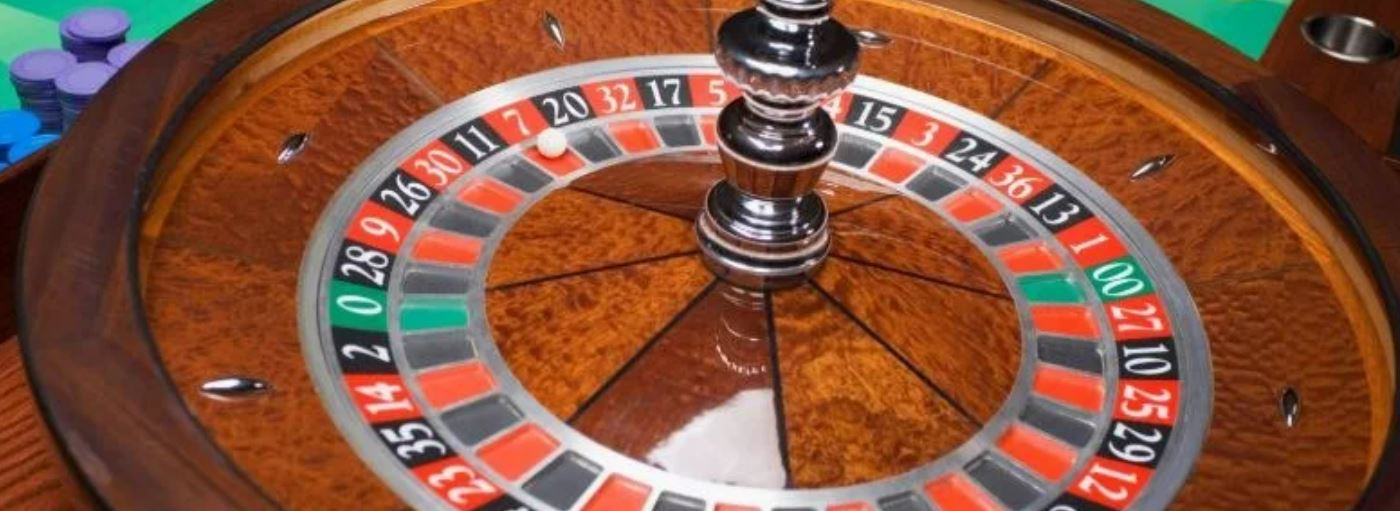
In roulette, the even and odd bets are “even‑money” wagers that group numbers by parity. Zero is neither even nor odd, and it is excluded from these bets on all standard roulette variants.
On the table layout, zero sits in its own green pocket. If the ball lands on zero, any bets on even or odd will lose. At some European or French tables, specific rules such as la partage or en prison may apply and can reduce the loss on zero, but this depends on the house rules, so always check before you play.
That separation is deliberate and contributes to the casino’s edge. Even‑money bets pay 1:1, but they win on 18 of 37 outcomes on a single‑zero (European) wheel and 18 of 38 on a double‑zero (American) wheel, so they are not true 50/50 propositions.
So, when considering even or odd, remember that the green pocket is never included. Outcomes are random, and no staking method changes the fact that zero does not count towards either parity.
Only gamble if you are 18+ and it is legal in your jurisdiction. Set limits, never stake more than you can afford to lose, and seek support if gambling stops being fun.
Why Is Zero On The Roulette Wheel?
Zero exists to create a margin for the casino, known as the house edge, which keeps the game viable and pays for running costs.
When roulette was first designed, payouts were set in round figures that are easy to follow at the table. By adding a number that is not part of the outside groups such as red or black, the true chances of winning are made slightly lower than those payouts imply. Without zero, many common bets would tend to break even over time instead of giving the house a consistent advantage.
Zero is neither red nor black, odd nor even, and does not fall within 1–18 or 19–36. As a result, when the ball lands on zero, those even‑money wagers usually lose in standard rules. That small difference is what keeps the game sustainable for the house and is a core feature of how roulette works.
Different variants handle this differently. European roulette has a single zero, while American roulette adds a double zero, increasing the house edge further. Some European tables may use rules such as la partage or en prison, which can reduce the impact of zero on even‑money bets by returning or holding part of the stake, but the house still retains an advantage overall. Always check the specific table rules before you play.
Outcomes are random and no staking system can remove the house edge. If you choose to gamble, do so responsibly, set limits, and only stake what you can afford to lose.
How Does Zero Affect Even-Money Bets?
Even-money bets are red or black, odd or even, and high or low. They pay 1 to 1 and can look close to 50/50, but zero (and double zero on some wheels) changes the maths and the long-term return.
Because zero is not red, black, odd, even, high, or low, these bets all lose if it appears. On a European wheel with 37 pockets, an even-money bet has 18 winning numbers out of 37, which is about 48.65%. On an American wheel with 38 pockets (0 and 00), it is 18 out of 38, about 47.37%, and you lose on both zero and double zero.
The gap between these true chances and a 1 to 1 payout is where the house edge sits. On standard single-zero European tables the edge on even-money bets is about 2.70%. On double-zero American tables it is about 5.26%, reflecting the extra losing pocket.
Some European and French-style tables use special rules when zero lands on an even-money bet. With la partage, half the stake is returned. With en prison, the full stake is held for the next spin and can be recovered if that next result wins; if it loses, the stake is forfeit. These rules reduce the edge on those specific bets (to around 1.35% on single-zero tables) but do not remove it entirely.
These rules typically apply only on zero, only to even-money bets, and are not always offered. They do not usually apply on double-zero wheels unless clearly stated by the house. Always check the table signage and rules so you know how a zero outcome will be settled.
All outcomes are random and no strategy can eliminate the house edge. Bet only what you can afford to lose, set limits, and stop if it stops being fun.
Does Zero Affect Column And Dozen Bets?
Yes. Column and dozen bets each cover 12 numbers, and zero is not part of any column or dozen. On American (double-zero) wheels, both 0 and 00 sit outside these groups as well.
If zero (or double zero) appears, those wagers lose under standard rules. This applies even if the betting layout places the 0 near a column on the felt — it is not included in that column.
On a European wheel, a column or dozen has 12 winning numbers out of 37, roughly 32.4%. On an American wheel it is 12 out of 38, about 31.6%. These figures describe the chance of a hit on each spin; outcomes remain random and are never guaranteed.
Payouts for dozens and columns are fixed at 2:1, and the presence of zero (and double zero on American wheels) is what creates the house edge. Broadly, that edge is about 2.70% on European tables and about 5.26% on American tables.
If you want zero in the action, it has to be covered directly as a separate bet (for example, a straight-up on 0). Columns and dozens will not include it. Note that special rules such as la partage or en prison, where offered, typically apply to even-money bets only, not to dozens or columns.
Always check the specific table rules before you play, as house rules can vary. Only gamble what you can afford to lose and set sensible limits.
Placing Bets On Zero And Payouts
You can back zero on its own, or include it in certain combinations. On single‑zero (European/French) wheels and double‑zero (American) wheels, the options below are among the most common and are widely available.
Payouts shown refer to typical table rules and are quoted as net wins “to 1” (your original stake is usually returned in addition). Availability and rules can vary by casino, so always check the table layout and house rules before you play.
- Straight up on 0 pays 35 to 1 on both European and American wheels.
- Split bets with 0 and 1, 0 and 2, or 0 and 3 pay 17 to 1.
- Trio bets 0-1-2 or 0-2-3 pay 11 to 1 on European and French tables.
- First four (0-1-2-3) pays 8 to 1 on European and French tables.
- Top line (0-00-1-2-3) pays 6 to 1 on American tables that use 0 and 00.
Remember that zero is a key part of the house edge. On many tables, even‑money outside bets lose when zero lands, although some French/European rules (such as la partage or en prison) may reduce that loss. Check the specific rules at your table so you know how zero is handled.
Some players like to mix in zero for coverage, while others prefer to keep it separate. This does not change the house advantage. Set sensible limits, consider tools such as deposit caps, time reminders, and reality checks, and avoid chasing losses.
Gambling should be enjoyable and affordable. Only stake what you can afford to lose, take breaks, and stop if it stops being fun. Support is available if you need help staying in control.
How Does Zero Contribute To The House Edge?
On a European wheel, that gap works out at about 2.70% across most standard bets. On an American wheel, the extra 00 pocket increases it to about 5.26%. In simple terms, the more green pockets there are that do not belong to outside bets, the more often those bets will miss compared with their payouts.
This applies to even-money wagers and to dozens and columns, as zero is not included within those outcomes. It is also why some players prefer the single-zero game when they have the choice, as it generally carries a lower built‑in advantage for the house.
The house edge is a long‑term, theoretical figure based on the maths of the game, not a prediction of what will happen in any single spin. Short‑term results can vary, and you might win or lose more or less than expected over a brief session.
All outcomes are random, and no strategy can remove the house edge created by zero. Always play within your means, set limits, and avoid chasing losses.
How Does Zero Differ Between European And American Roulette?
European Roulette
European roulette uses a wheel with just one green zero pocket. This single zero gives the house a modest edge and offers slightly more favourable odds for players than the double-zero version, all else being equal.
A standard European wheel has 37 pockets in total: numbers 1 to 36 plus the single zero. Because there is only one green pocket, the house edge on most standard bets is typically around 2.70%.
On some European tables, rules such as la partage or en prison may apply to even‑money bets when the ball lands on zero. Where offered, these rules can reduce the effective house edge on those specific bets to about 1.35%. Availability varies, so always check the table rules before you play.
As with all roulette formats, outcomes are random and neither the zero nor any other number is guaranteed to appear with any particular short‑term frequency. Zero is not included in outside groups such as red/black, odd/even, or high/low.
American Roulette
American roulette includes both a single zero (0) and a double zero (00), for a total of 38 pockets.
The extra double zero increases the house edge, which is typically around 5.26% on most standard bets. As a result, the long‑term return to player is lower than on a single‑zero wheel under otherwise similar rules.
Neither 0 nor 00 is part of the outside groups, so both work together to tilt outcomes slightly more towards the house than on a single‑zero wheel. Always review the table layout and rules, as specific bet types and any special rules can affect how zero outcomes are handled.
Set limits, play within your means, and remember that roulette is a game of chance with no strategy that can overcome the built‑in house edge.
What Are Common Misconceptions About Zero?
Many new players assume zero is even because it sits at the start of the number line. In roulette it is neither even nor odd, and it occupies its own green pocket on the wheel. As a result, even and odd bets do not cover it, so those wagers lose when the ball lands on zero unless a specific table rule applies.
Another misconception is that group bets such as red or black, the dozens, or the columns include every number on the wheel. They do not. Zero is green, so it is neither red nor black, and it does not fall within the 1–12, 13–24, or 25–36 ranges used by dozens, nor is it included in the three column bets. Unless you place a bet that explicitly includes zero (for example, a straight-up on 0 or a layout bet that features 0), your stake will not cover it.
Some players also believe that a spin landing on zero means something unusual is happening. In reality, zero appears as part of normal, random outcomes. Its presence is what creates the house margin: in European roulette (single zero) the house edge is typically 2.70% (around 97.30% RTP), while in American roulette (zero and double zero) it is typically 5.26% (around 94.74% RTP). No staking system or pattern of play can remove that edge.
Table rules can vary, and some European or French layouts may offer La Partage or En Prison on even‑money bets, which can reduce the loss when zero lands. Always check the displayed rules and payouts for the specific table you are playing.
Understanding how zero works helps set clear expectations and makes the role of the green pocket easy to read whenever you play. Outcomes are random and independent, so never assume a result is “due”, and only gamble if you can do so responsibly.
**The information provided in this blog is intended for educational purposes and should not be construed as betting advice or a guarantee of success. Always gamble responsibly.