
Most Common Roulette Patterns Explained – Can You Predict the Game?
Roulette is one of the most iconic games in any casino, famous for its spinning wheel, bouncing ball, and sheer unpredictability. But have you ever noticed patterns in the way the numbers land?
Many players believe there are hidden clues in the chaos, just waiting to be uncovered, and that spotting them might help with decision-making. But can these streaks and trends really tell you what will happen next, or are they simply part of how the game unfolds?
Keep reading to discover the most common roulette patterns, and what, if anything, they truly mean for your choices at the table.
What Are Common Roulette Patterns?
When spinning the roulette wheel, certain sequences often catch players’ attention. These are known as “roulette patterns.” Common examples include long runs of red or black, repeated odd or even numbers, or the ball landing on a specific section of the wheel several times in a row. You may also see clusters around particular pockets or repeated hits on the same dozen.
You might also spot patterns in the layout, such as several spins in a row ending up in the same row or column on the board. Sometimes, players notice alternating colours or numbers ending in the same digit, or a sequence that seems to move around the wheel in steps. These are after-the-fact observations rather than signals about what will happen next.
These patterns appear naturally in any random game. Outcomes are independent from spin to spin, whether the game is run by an audited RNG online or a well-maintained physical wheel in a venue. Our minds are wired to spot order, even when the outcomes are unpredictable, which can lead to the “gambler’s fallacy” (believing a result is due because it has been absent).
Many players use these patterns to guide their bets, hoping to anticipate what might happen next. However, patterns do not change the house edge or provide a reliable advantage, and no betting system can guarantee returns.
If you choose to play, treat any pattern-spotting as entertainment rather than a way to predict results. Set sensible limits, avoid chasing losses, and only gamble with money you can afford to lose. But do these patterns really give you an advantage? That is what we will explore next.
Streaks And Runs: Consecutive Number Patterns
One of the first things many roulette players notice is a streak, or run, of results. This could be several reds or blacks in a row, a stretch of even or odd numbers, or a series of high or low numbers appearing one after the other. You might also see repeats on the same dozen or column, or even the same number landing twice or more in close succession.
It is tempting to react when you see three or more identical outcomes in a row. Some expect the trend to continue, while others believe the opposite result is now more likely. Both views are based on a misunderstanding known as the gambler’s fallacy.
Each spin stands on its own, and the odds for the next spin do not change because of what came before. The wheel does not “balance itself” in the short term, and the house edge remains in place regardless of any recent pattern. In online games, independently tested RNGs serve the same role as a physical wheel, ensuring outcomes are random.
Streaks and runs are simply clusters that naturally occur within random results. They can appear and disappear without any link to previous spins, and long or surprising sequences can happen purely by chance. Tracking these patterns or adjusting stakes because of them does not provide a reliable edge and can increase volatility in your results.
If you choose to play, set clear limits, avoid chasing losses, and treat roulette as chance‑based entertainment rather than a way to make money. Making decisions based on perceived streaks is unlikely to improve your returns and may lead to higher risk-taking.
Next up, let us look at the hot and cold boards you often see at the table, and what they do (and do not) tell you about future spins.
Hot And Cold Numbers: What Do They Indicate?
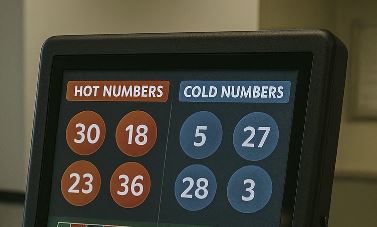
You will often hear players talk about “hot” and “cold” numbers. Hot numbers are those that have appeared more often during a recent period or session. Cold numbers barely seem to come up at all, giving the impression that they are being “missed”.
It can feel persuasive to back a hot number because it has been frequent, or to favour a cold one because it seems overdue. Online games sometimes display hot and cold lists, which can make these patterns feel meaningful. These displays are for information and entertainment only and should not be treated as advice or a way to predict outcomes.
In reality, every spin is generated independently. Whether the game uses a physical wheel or a certified random number generator, the next result does not depend on previous results. The ball does not remember where it landed before, so a number’s recent history does not change its chances on the next spin.
Short-term streaks happen and can look significant, but they are simply part of normal random variation. This is sometimes called the gambler’s fallacy—believing that past outcomes make a particular result “due”. Hot or cold streaks do not alter the underlying odds or the house edge.
If you choose to view hot and cold data, treat it as historical information only and not a predictor. Do not chase losses or rely on patterns to make decisions. Set limits, play for entertainment, and remember that past results are not a reliable guide to future performance.
Even/Odd And Red/Black Sequences
One of the easiest patterns to spot is a run of even or odd numbers, or a string of reds or blacks. You might see several odds in a row, or a patch where red dominates for a surprising stretch. Long streaks can and do occur, and seeing five or more of the same outcome in succession is not rare in a truly random game.
These sequences can look significant, yet they are simply what randomness looks like up close. Each spin is independent of the last, so a continuation of a run or a sudden switch does not make any particular result more or less likely next time.
This is the classic gamblers’ fallacy: past results do not “balance out” future ones. The presence of the green zero also means even/odd and red/black are not perfectly 50/50, which is part of the built‑in house edge. No staking system or pattern‑spotting can change these underlying probabilities.
Spotting these patterns can add to the spectacle, but they do not offer dependable clues for future outcomes. Treat them as entertainment rather than signals to increase stakes, and avoid chasing runs or losses.
Always play responsibly: set limits, take breaks, and only gamble what you can afford to lose. If you feel your play is becoming risky or not enjoyable, consider stopping.
Neighbour Hits And Sector Patterns
Sometimes, players notice the ball frequently landing on numbers that sit close to each other on the wheel. These are often called “neighbour hits”. Over a short spell, results can appear to cluster in the same area, or sector, rather than seeming to jump all over the layout.
It is natural to spot these short‑term patterns. Our brains are good at finding apparent streaks, even when outcomes are random and independent.
This is why some people place neighbour bets, covering a small section of the wheel rather than a single number. A neighbour bet typically spreads your stake across a chosen number and the numbers directly beside it on the wheel.
While this can feel logical when outcomes seem to gather in one area, it does not increase the game’s expected return. You are simply distributing your stake across several straight‑up numbers; the house edge remains the same.
Even so, clustering can occur in random sequences without any underlying cause. The wheel does not steer results back to the same sector just because it has appeared recently, and past spins do not predict future ones.
If you enjoy watching for clusters, treat them as part of the natural ebb and flow rather than as a signal. Avoid assuming a streak or sector pattern offers an advantage, and do not chase losses on the basis of perceived trends.
If clusters can happen by chance, what about faults that make certain areas more common? In licensed environments, wheels and random number generators are tested and monitored, and any bias is rare and typically corrected quickly.
If you suspect a technical issue, contact the operator or dealer rather than trying to exploit it. Always play for entertainment, set sensible limits, and stop if the fun stops.
Does Wheel Bias Create Predictable Patterns?
In the past, some roulette wheels developed minor faults, known as “wheel bias”, causing certain numbers or sections to appear more often than probability would suggest. On rare occasions, highly disciplined players who logged thousands of spins could detect these small imbalances and attempt to act on them.
However, this was never a guaranteed or risk-free approach, and any perceived advantage could disappear as soon as the wheel was adjusted or replaced. Casinos also became quicker at identifying irregularities and tightening maintenance schedules.
Today, modern casinos and online games use well‑maintained equipment and strict operational checks, making genuine wheel bias extremely uncommon. Live dealer tables are routinely inspected and calibrated to minimise wear, and online roulette uses certified Random Number Generators designed to ensure each spin is independent, random, and fair.
In the UK, licensed operators must comply with regulatory standards and regular testing. Independent laboratories check randomness and game performance, and any issues reported by players are investigated under clear compliance procedures.
Indicators Of A Biased Wheel
While it is unlikely you will encounter a biased wheel these days, a few signs might raise suspicion. It is important to gather a very large sample and remember that streaks can occur naturally through normal variance.
- The same numbers or areas of the wheel winning far more often over a sustained, long‑term period
- Clear, repeated patterns that do not align with expected random variation across a substantial number of spins
- Visible, unusual wear and tear on a physical wheel, ball track, or frets
If you play at licensed and regulated sites, wheel bias should not be an issue. Games are monitored, tested, and audited to keep outcomes fair, and past results do not affect future spins.
No betting strategy can remove the house edge or guarantee profit. If you suspect a technical fault, stop playing and contact customer support so the game can be reviewed. Always set limits, play responsibly, and treat roulette as a form of entertainment rather than a source of income.
Can You Predict Outcomes Using Observed Patterns?
It is natural to hope that spotting a pattern might give you an edge. Our brains are wired to find order, so seeing the same colour or number pop up can feel like a clue, or even a sign that a change is “due”.
Tracking results can be interesting, but it is not evidence of what will happen next. Apparent trends are coincidences in a sequence of independent events, not reliable signals you can use to predict future outcomes.
In practice, there is no connection between what happened on the last spin and what will happen next. This is sometimes called the gambler’s fallacy: believing past results influence future ones when each spin has the same probability.
Patterns and streaks may look promising, but they do not change the underlying odds. Over time, results will fluctuate, yet each individual outcome remains independent and unpredictable.
Licensed UK casinos use checked wheels and independently tested random number generators to keep outcomes fair and unpredictable. Equipment is routinely inspected so that no player or system can influence the results.
No staking plan or system can alter the house edge or override randomness, and it will not improve the expected return. Set sensible limits, avoid chasing losses, and play for entertainment rather than certainty. If it stops being fun, stop.
How Randomness And House Edge Affect Patterns
At the heart of every roulette spin is randomness. Each result is independent, whether you are on a physical wheel or an online table using a certified random number generator.
What happened before does not influence what happens next. A number is never “due”, and a recent streak does not change the odds on the next spin.
Our brains are brilliant at finding connections, which is why patterns appear meaningful even when they are not. Streaks and clusters occur naturally in random processes and can look persuasive, but they are not signals you can act on.
Roulette does not follow long‑term sequences that can be relied upon. Past results may be interesting to view, yet they are descriptive, not predictive.
Alongside this, the house edge is built into the rules and layout. On most wheels, the zero creates a small but consistent advantage for the casino over time.
No preferred number, pattern, staking plan, or way of arranging bets can remove that advantage. Systems that increase stakes after losses do not change the expected outcome and can raise risk quickly.
For these reasons, roulette should be viewed as entertainment rather than a route to guaranteed profit. Set a budget and time limit, and only play with money you can afford to lose.
Never chase losses, and take breaks if the fun stops. If the game is no longer enjoyable, it is sensible to stop.
With the basics in place, it is easier to separate fact from fiction. Use patterns and statistics as points of interest, not as a basis for forecasting or staking decisions.
Common Pattern Myths Debunked
A widespread myth is that if a number, colour, or type has not come up in a while, it is “due” soon. This is the gambler’s fallacy.
In reality, every spin is independent, and the probability resets each time. There is no point at which any specific outcome becomes more likely simply because it has been absent.
Another myth claims there is a secret system based on patterns that can beat the game. However convincing a staking plan or progression might sound, it cannot change the odds or remove the house edge built into the game.
Systems that increase stakes after losses can raise risk and volatility without improving your chance of winning. The wheel layout and rules determine the odds, not the way you vary your bets.
Some also believe that watching hot and cold numbers or following streaks can predict future results. These apparent trends are short‑term fluctuations within random outcomes, not reliable signals.
Small samples can feel meaningful, but they do not provide predictive power. Past results do not inform or influence the next spin.
Roulette is designed to be fair and unpredictable, particularly at licensed UK casinos, where equipment and RNGs are tested for randomness. No pattern, tracker, or strategy can guarantee a profit.
Treat patterns as part of the viewing experience rather than a path to certain wins. Set sensible limits, take breaks, and never chase losses.
Only gamble with money you can afford to lose, and stop if it stops being fun. You must be 18+ to gamble in the UK; please play responsibly.
**The information provided in this blog is intended for educational purposes and should not be construed as betting advice or a guarantee of success. Always gamble responsibly.