What Does “Malfunction Voids All Pays And Plays” Mean in Gambling?
Ever spotted the phrase “malfunction voids all pays and plays” while spinning the slots or playing online casino games? You’re not alone. It appears on game screens, in help menus, and in the small print.
It can feel a bit technical, especially if you’ve just had a big win or a game suddenly freezes. Does it mean your payout is at risk?
Here’s what it actually means in practice, why it exists, and what to do if you think a decision has been made incorrectly.
What Does “Malfunction Voids All Pays And Plays” Actually Mean?
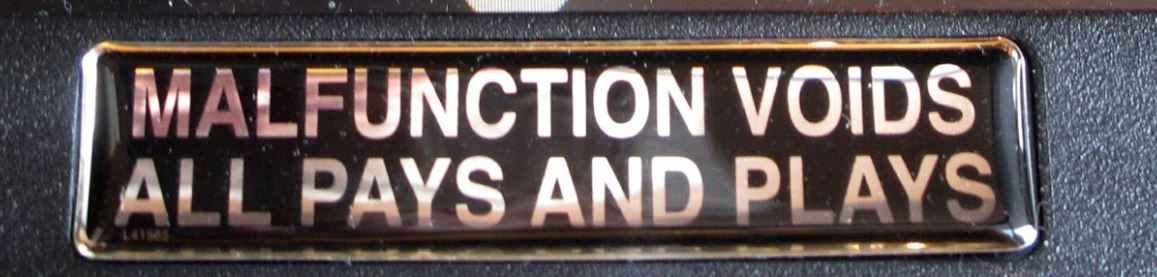
When you see the phrase “malfunction voids all pays and plays,” it means that if a game, device, or related system does not operate as designed, any bets placed and any outcomes produced during that fault are treated as invalid for settlement purposes.
This applies whether the error appears to benefit you or the operator. In line with UKGC expectations on fairness, the operator should have evidence that a genuine malfunction occurred and apply the clause consistently, not selectively.
Picture a slot displaying an impossible symbol combination, a round that never properly finished because the software crashed, a clearly incorrect paytable being used, or a hardware/RNG fault. By contrast, a simple internet dropout on your side is not necessarily a “malfunction”; many games will resume an interrupted round rather than void it.
In these cases, the casino may cancel the affected round so the result is not used. Typically, the original stake is returned, and any winnings or losses from the voided round are removed. Where feasible, promotional items tied to that round (for example, a free spin) may be reissued or restored, although this depends on the game’s capability.
This clause exists to protect the integrity of games. It prevents both unintended wins and unintended losses caused by errors, helping ensure outcomes are based on correctly functioning software and equipment rather than a fault.
Under UK rules, operators are expected to investigate suspected malfunctions, keep appropriate logs, communicate clearly with you about any adjustments, and not void outcomes arbitrarily. You can review your game history and contact customer support if you believe a result was incorrectly voided, and you may use the operator’s complaints process and ADR if a dispute cannot be resolved.
How Does This Clause Apply To Slot Machines And Electronic Games?
You’ll find the clause on traditional machines and online titles alike. It covers rare situations where a component misbehaves, such as a display bug, a payout calculation error, a paytable failing to load correctly, or a server hiccup that interrupts the round.
These events are uncommon and are investigated so that any impact on players is corrected in a fair, open, and timely way.
For online games, automated systems usually detect the problem quickly. The round is flagged for review, and you’ll typically see the result reversed and the stake refunded if the round could not be completed as intended.
If a fault has altered the outcome, affected bets may be voided in line with the game rules and the operator’s terms, with your balance adjusted transparently. You should be notified of any action taken and the reason for it.
In land‑based venues, floor staff will take the machine out of service while the logs and hardware are checked. Meter readings, error codes, and other records may be reviewed to confirm what occurred.
The machine is only returned to play once it has been tested and verified as operating correctly and safely.
Crucially, the clause is not there to void a normal losing bet. It applies only when something has demonstrably gone wrong with the game’s operation, supported by evidence in the game logs or systems.
Neither the customer nor the operator should benefit from a fault; rectification aims to restore the position as if the error had not happened. For progressive jackpots, contributions and wins are handled strictly under the published rules, and any jackpot triggered in error may be rolled back accordingly.
To see how this plays out in real life, it helps to know what a “malfunction” can look like. Examples include reels stopping out of sync with the display, a balance showing the wrong amount, a game freezing after a win animation, or a duplicated credit due to a brief network drop.
If you believe a fault has occurred, pause play where possible and contact customer support or venue staff so the round can be reviewed.
Examples Of Malfunctions That Could Void Pays And Plays
Malfunctions can occur in different ways across online and in‑person play. They are handled in line with game rules and applicable law to ensure outcomes are fair and transparent.
Where a fault is verified, only the affected rounds may be cancelled, with stakes usually returned and balances adjusted to the position immediately before the issue occurred.
- Software glitches: the game freezes, crashes, lags, or shows the wrong symbols, animations, or sounds. Missing assets or misrendered reels can also indicate a fault. If the program didn’t complete the round properly, that result can be cancelled and the stake returned, and any replay of the round is typically not permitted.
- Connection interruptions: a drop in internet connectivity, a device crash, or a power cut can leave a spin incomplete or prevent the outcome being recorded correctly. If the server has not generated a result, the round is usually voided and the stake returned. If a valid result was already generated and recorded, that outcome normally stands and is credited once the connection is restored.
- Incorrect payout calculations: a maths error in a paytable or feature awards more or less than intended. When identified, those affected rounds are invalidated and corrected so that players receive the amount they were entitled to. Any necessary reversals or top‑ups should be handled transparently and reflected in account records.
- Physical machine faults: stuck buttons, jammed reels, coin or note acceptor problems, or faulty touchscreens on a casino floor can interfere with a round. Staff will normally suspend the machine, void the impacted plays, and arrange stake returns (for example, via a voucher or at the cashier) once the issue is confirmed.
- Random number generator (RNG) faults: if the component responsible for producing outcomes is compromised, fails integrity checks, or otherwise malfunctions, affected results are not valid. The game is usually withdrawn until the fault is fixed and retested by an independent testing provider.
These situations are uncommon, and systems are tested and monitored to minimise them. However, the clause exists so there is a clear and consistent way to handle faults and protect players.
If you believe a malfunction has occurred, stop playing the game, note the time and game title (and, if possible, the round ID), and contact customer support. Operators will investigate using server logs and audit trails and may liaise with the game supplier to confirm what happened.
If you remain dissatisfied after the operator’s response, you can follow the formal complaints process and, where eligible, escalate to an independent Alternative Dispute Resolution (ADR) provider. Systemic issues may also be reported to the regulator as required.
How Do Casinos Decide Whether A Malfunction Voids A Payout?
When a potential malfunction is reported by a player or flagged by monitoring tools, the operator opens an incident and preserves relevant data. This usually includes isolating the session, securing game logs, and capturing any volatile information so it can be reviewed accurately.
Technical teams then examine server and client logs, timestamps, round identifiers, error messages, connectivity records, and device details to reconstruct the round. For third‑party titles, the supplier is brought in because they maintain certified systems and detailed audit trails for their games.
The review often cross‑checks the outcome against the published rules, paytable, and version controls. Change records and game configurations are verified to ensure the software that ran the round matched the certified build approved for use.
A void decision is only made where there is clear, objective evidence of a fault, such as an incomplete or rolled‑back round, a recorded error code, a synchronisation failure, or a payout that does not align with the game rules. Cosmetic or display glitches that do not affect the actual outcome typically do not invalidate a result.
If the investigation confirms the game did not operate as designed, the affected round is invalidated. Where appropriate, the stake is returned to the player’s balance and any incorrect credits are removed. Any adjustments are limited to the impacted bets, and the operator keeps an auditable record of the correction.
Operators must act fairly, transparently, and in line with their terms and the LCCP. If a payout is cancelled or adjusted, they should explain the reasoning in plain language and provide a summary of the evidence relied upon, including the relevant rule or error reference.
Most terms state that malfunctions void all pays and plays, but this clause should be applied proportionately and only where the evidence shows the game outcome was affected. The aim is to restore the position that should have applied had the game functioned correctly.
If you face this situation, gather the round ID, time and date, game name, stake and bet type, and any screenshots or messages you saw. This helps support assess the issue quickly and reduces the need for multiple follow‑ups.
Raise the matter through the operator’s customer service or formal complaints process and keep copies of all communications. If you are not satisfied with the final response, or eight weeks have passed without resolution, you may be able to refer the dispute to the operator’s approved ADR provider.
Throughout the process, your personal data should be handled securely, and sensitive information (such as internal security controls) may be redacted. Decisions are evidence‑based and subject to regulatory oversight to help ensure outcomes are fair and consistent.
What Can You Do If Your Win Is Voided?
Start by checking your game and transaction history in your account. Most accounts show the round ID, time, stake, bet type, and recorded result, which helps confirm whether a spin completed or was interrupted. Where available, compare this with the specific game rules, disconnection policy, and any relevant promotion or bonus terms that applied at the time.
If anything looks inconsistent, contact customer support promptly and provide clear details: the game name and supplier, approximate time and time zone, stake, round or hand ID, and any on‑screen messages or error codes. Explain whether you were using a bonus and, if so, outline the bonus terms you believe applied (for example, wagering, max bet, or excluded games).
Screenshots, device and browser details, and confirmation emails are useful context rather than formal proof, but they can speed up the review. You can also ask for a copy of the game‑round log or a written explanation that cites the specific terms relied upon to void the result.
If you’re unhappy with the initial response, use the operator’s complaints procedure set out on their site. This should trigger a more formal review and a written outcome that explains the decision with reference to terms and game logs. Keep communications factual and polite, and avoid further play on the affected game until matters are resolved.
Should you still disagree, you can refer the case to an independent Alternative Dispute Resolution (ADR) provider for a free, impartial assessment. You may do this once you have a final response (sometimes called a “deadlock” letter) or if eight weeks have passed without resolution. ADR decisions are independent; you are not obliged to accept an outcome you disagree with.
While the dispute is ongoing, consider taking a short break or setting limits if you feel frustrated. Responsible play helps keep decision‑making clear.
Keeping your notes organised makes each stage easier. Useful information includes round or hand IDs, precise timestamps, stakes and bet configurations, balance changes, error messages, device, browser and connection details, copies of relevant terms as they appeared at the time, and any emails or chat transcripts. This level of detail helps the operator and ADR assess what happened fairly and efficiently.
Evidence Players Should Keep When Challenging A Voided Win
The clearer your records, the easier it is to reconstruct what happened. Useful items include screenshots of the game screen before and after the round, your balance changes, and any error messages. Where possible, capture the full screen so the system clock, URL or app header, bet panel, and any paytable or help overlays are visible.
Keep images or recordings in their original form and avoid editing or cropping; the original file names and timestamps can help establish the sequence of events.
Save chat transcripts or emails that refer to the incident, and note any complaint or ticket reference numbers. Record the date and time (including time zone), game title, stake size, bet type or feature triggered, and any transaction, session, or round IDs shown in your history. If deposits, withdrawals, or bonus credits around the time are relevant, keep copies of cashier entries and payment confirmations.
If a promotion or bonus was active, retain the applicable terms and note whether the stake came from cash or bonus funds, plus any wagering requirement in place. This context can be important when the outcome is reviewed under the operator’s terms and the rules of the game.
If you know them, note your device type, operating system, browser or app version, connection type (e.g. Wi‑Fi or mobile data), and whether you experienced a connection drop or saw an error code. For in‑venue play, recording the machine number or location and the time on any ticket or receipt helps staff pinpoint the exact terminal. Do not film staff or other customers, and follow venue rules.
Back up your files and share them through the operator’s complaints process. Clear, accurate information allows technical teams to match your account activity with the game’s audit logs, payment systems, and session records to confirm where a fault occurred. Comprehensive evidence can speed up an investigation, but it does not guarantee a particular outcome.
Can Regulators Or Ombudsmen Overturn A Void Decision?
Yes. Independent ADR providers can review disputes and, where appropriate, recommend or direct a different outcome under their scheme rules. They assess the relevant logs, correspondence, and the terms and game rules that applied at the time, and they consider whether the operator acted in line with its licence obligations and consumer protection standards.
If they find that the operator misapplied its rules or did not follow a proper process, they may recommend reinstating a win, returning a stake, settling at the correct odds, voiding only the affected selections, or proposing another fair remedy. Any outcome depends on the evidence and the ADR scheme’s remit and timescales.
The Gambling Commission sets the standards operators must meet and approves ADR providers. While it does not adjudicate individual disputes or overturn specific outcomes, it can step in where it identifies wider issues, such as unclear or unfair terms, repeated handling errors, or systemic failings.
Where necessary, the Commission can take regulatory action, require improvements, and, in some cases, require consumer redress as part of that action. It does not act as an ombudsman for personal cases.
If you feel a void decision was not justified, first complete the operator’s complaints process, then escalate to an approved ADR within the stated time limits. Provide clear evidence and keep copies of all communications.
ADR outcomes are not guaranteed, and accepting a decision may make it final under the scheme. If you do not accept an ADR outcome, you may have the option to pursue the matter through the courts.
How To Spot Unfair Malfunction Wording In Terms And Conditions
It’s worth giving the terms a careful read before you play, especially the parts on malfunctions, voided rounds, and dispute handling. Be cautious if the malfunction clause is vague or gives the operator broad, unlimited discretion without explaining what counts as a fault or how outcomes are reviewed. Phrases such as “we can void any payout at our sole discretion” are a warning sign unless they are balanced by a clear definition of malfunction and an explanation of the decision-making process.
Look for practical detail. Fair terms say what a malfunction is (for example, a system error, server outage, or incorrect game configuration), outline how the review works, who investigates (operator and/or game supplier), and the expected timeframes. They should also state what happens to your stake and any winnings if a round is voided, including whether stakes are returned when an outcome was not determined, and how partial malfunctions are handled.
Transparent clauses usually mention access to an audit trail, such as game logs, round IDs, and timestamps, and confirm that evidence will be provided on request. They should not exclude your statutory rights, attempt to avoid responsibility for negligence, or allow winnings to be confiscated without a clear, objective basis. Watch for wording that treats progressive jackpots, bonus funds, and free spins consistently and explains any different treatment in plain language.
If anything is unclear, ask support to confirm how they apply the clause in real situations and request the reply in writing. Save chat transcripts and take screenshots of error messages or game-round references so you have a record if a dispute arises. The terms should also signpost the complaints procedure and how to escalate to an independent Alternative Dispute Resolution (ADR) provider if the issue is not resolved within the stated timeframe.
Understanding this single line of small print makes gameplay expectations much clearer. If the rules are specific, the process is explained, and you know how evidence will be assessed, you can play with a clear view of how faults are handled and what to expect if something goes wrong. Prefer operators whose wording is precise, balanced, and easy to act on.
**The information provided in this blog is intended for educational purposes and should not be construed as betting advice or a guarantee of success. Always gamble responsibly.