
Player vs Dealer Blackjack: What If Both Get Blackjack Explained
Blackjack is one of the most entertaining games at the casino, especially when your first two cards form a natural blackjack. But what happens if the dealer shows the same hand?
It can feel unclear in the moment. Is it a win, a loss, or something in between? This guide explains exactly what happens, how payouts work, and what related bets mean for the result.
By the end, you will know how ties are handled, what to expect with insurance and side bets, and which table rules are worth checking before you play.
What Counts As Blackjack?
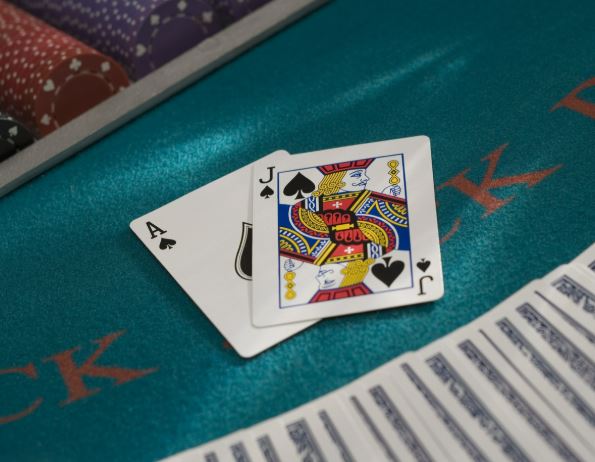
Blackjack, often called a “natural”, is the highest‑ranking opening hand and only occurs when your first two cards total 21. That means one Ace, counted as 11, together with a single 10‑value card, which can be a 10, Jack, Queen, or King. Suits do not matter, and the order in which the cards are dealt makes no difference.
House rules can affect how certain situations are treated. For example, an Ace and a 10‑value card received after a split may be counted as a regular 21 rather than a blackjack in many variants, so always check the table rules before you play.
A total of 21 made with three or more cards is not blackjack. It is simply a 21, and it does not qualify for the usual blackjack payout. This distinction affects how hands are compared and how returns are calculated.
Pay tables vary by game and venue. While many games pay blackjack at 3:2, some pay 6:5 or even 1:1, and these differences materially change your potential return. The dealer’s blackjack also beats any non‑blackjack 21, so being clear on the rules helps you understand the outcomes.
With that in mind, what if both you and the dealer start with that same two‑card 21?
In most standard rules, this is a push: neither side wins, and your main wager is returned. Any side bets or optional wagers are settled separately in line with their own rules. Always review the specific game information so you know how ties and payouts are handled.
Who Wins If Both Player And Dealer Have Blackjack?
If both the player and the dealer have blackjack, the result is a push (a draw). Neither side wins or loses, the hand ends immediately, and no further cards are dealt.
Your original stake is returned to you, and there is no blackjack bonus or enhanced payout because the hands are equal. It is a neutral outcome, so you proceed to the next hand with your balance unchanged.
Optional wagers are settled separately. For example, insurance pays if the dealer has blackjack, even when the main hand pushes. “Even money” (where offered) is a form of insurance taken when you hold blackjack against a dealer Ace and results in a 1:1 payout instead of the standard blackjack return, regardless of the dealer’s final hand.
Table rules and paytables can vary by game and venue, so always check the specific house rules before you play. Never assume a bonus or advantage on a push; standard practice is that the main wager is simply returned.
That tie also affects how any money on the table is settled, which brings us to payouts.
How Are Payouts Handled When Both Have Blackjack?
When both you and the dealer have a natural blackjack (an ace with a ten-value card on the first two cards), the result is a push. Your main wager is returned in full, with no extra payment and no commission or fee taken.
If only you have blackjack, the usual payout is 3:2, although some tables pay 6:5. Always check the table rules or signage before you play. In the event of a tie, those enhanced odds do not apply.
Practically, a natural on both sides cancels the hand for payout purposes. Chips go back to your stack as they were, and the next round begins. Any side bets are settled according to their own rules and may not push in the same way.
If the dealer’s upcard is an ace, you may be offered insurance. This is an optional, separate wager (typically up to half your main bet) that pays 2:1 only if the dealer does in fact have blackjack. If the dealer does not have blackjack, the insurance bet loses, even if your main hand later pushes.
Rules can vary by venue and game variant, so confirm the house rules before staking money. Gambling should be carried out responsibly, and no outcome is guaranteed.
How Does Insurance Work?
Insurance is an optional side wager offered only when the dealer’s face-up card is an ace. You may stake up to half of your original wager, and this insurance pays 2:1 if the dealer’s hidden card is a ten-value card, giving the dealer a blackjack. It is a separate bet that relates solely to the dealer’s hand and does not change the rules or outcome of how your own hand is played.
In many games, the dealer will check for blackjack before play continues. If the dealer does have blackjack, the insurance bet is settled at 2:1. If you also have blackjack at the same time, your main bet is a push and is returned, while the insurance bet pays out. Some tables may offer “even money” when you hold a blackjack against an ace; this is effectively the same as taking insurance on your blackjack.
If the dealer does not have blackjack, the insurance bet loses immediately and the round proceeds as normal with your original hand. Because insurance is independent of your main wager, you can have different net results even when the main hand pushes—for example, a push on the main hand but a lost insurance bet results in a net loss, while a push on the main hand and a winning insurance bet results in a net gain.
Insurance is entirely optional and is generally a higher house-edge bet, as the dealer’s hidden card will be a ten-value less often than the price of the wager implies. Consider your budget and the specific table rules before choosing it. Game rules and availability can vary by venue and product, so always check the game information and terms, and play responsibly.
What About Side Bets?
Side bets are optional wagers on specific events, such as particular card combinations or matching ranks. Examples include 21+3, Perfect Pairs, Bust It, or Royal Match. Each has its own paytable and rules, and these bets are typically higher variance and often carry a higher house edge than the main game. They are entirely optional and do not change the way standard blackjack hands are played.
Whether a side bet pays when both you and the dealer have blackjack depends entirely on that bet’s conditions. Some side bets consider only your first two cards, some consider the dealer’s upcard, and others look at both hands together. Side bets are usually settled independently of the main hand result, so a win, loss, or push on the blackjack hand does not necessarily affect them. Maximum payout caps and specific qualifiers may also apply.
Always read the paytable on the felt or in the game info before placing these wagers so you know exactly what triggers a payout. Confirm the minimum and maximum stake for each side bet, and check any stated RTP/house edge where available. Outcomes are random and not guaranteed, so set limits, play responsibly, and only stake what you can afford to lose.
What Happens When Multiple Players Have Blackjack?
At a live table, several players can receive blackjack in the same round. A natural blackjack is an Ace with a ten-value card as your first two cards.
Each hand is settled independently against the dealer, not against other players. What the player next to you holds never changes your outcome, and their decisions do not affect the payout rules applied to your hand.
If the dealer does not have blackjack, every player with a natural is paid according to the table’s stated blackjack odds. These can vary by venue or game type (commonly 3:2, sometimes 6:5), so always check the rules shown at the table before you play.
If the dealer also has blackjack, every player with a natural pushes and has their stake returned. The only exception arises from optional choices like insurance or even money when the dealer shows an Ace. Taking even money converts your natural into a 1:1 payout regardless of the dealer’s hole card; insurance pays 2:1 on the insurance bet if the dealer has blackjack. These options are voluntary and come with a house edge.
The same principles apply whether you are playing one hand or multiple hands, and they hold true at live, electronic, and online tables operating standard rules. Your result is always determined by the single comparison that matters: your hand versus the dealer’s.
Always play to the posted rules, set sensible limits, and never gamble more than you can afford to lose. Outcomes are based on chance, and no strategy can guarantee a win. For eligible players aged 18+, please gamble responsibly.
Rule Variations That Change How Ties Are Decided
The standard rule in regular blackjack is straightforward: if both player and dealer have blackjack, the result is a push. Likewise, equal final totals typically push. However, table rules can vary, particularly in alternative formats or novelty variants, where totals, payouts, or specific tie situations may be resolved differently.
Some games apply special outcomes such as “dealer 22 pushes” (common in certain variants), or have rules where specific ties might favour the dealer. These changes can alter the volatility and the house edge. Side bets, if offered, usually have their own settlement rules and may treat ties differently from the main hand.
Check the table signage or game information before you play. Confirm the blackjack payout (for example, 3:2 or 6:5), how ties are handled on standard totals and on blackjacks, and any special provisions like dealer 22 pushing.
Look for details on splits, doubles, re-splits, and whether surrender is available, as these rules interact with tie situations and overall risk. Also note table minimums and maximums, as well as any variant-specific conditions if you are playing online or in a live casino environment. If anything is unclear, ask the dealer or host for clarification.
In addition to tie rules, the timing of the dealer’s check for blackjack can change how a hand unfolds. In “peek” games, the dealer checks for blackjack before players act, which can prevent additional wagers from being committed to a losing round.
In “no peek” games, the dealer reveals blackjack only after all player actions are complete, meaning doubles or splits placed during the hand may still lose to a dealer blackjack. Understanding this timing helps you gauge potential exposure when the dealer shows an ace or ten-value card.
Outcomes are determined by chance and the stated rules, and the house retains an advantage. Only gamble if you are 18+ and within your means, set limits, and do not chase losses.
When Does The Dealer Check For Blackjack?
In games where the dealer takes a hole card, they will usually “peek” for blackjack straight away whenever the upcard is an ace or a 10‑value card. If the dealer has a natural, the hand ends immediately. Any pushes or losses are settled at once before players make further decisions, and the hole card is revealed to confirm the result.
Insurance, if offered and taken, is also settled at the same time. Some tables may allow “even money” when you hold blackjack against an ace upcard; where available, this is simply insurance in another form. Availability and payout terms can vary, so always check the game information before you play.
In European‑style games, the dealer does not take a hole card until after players have acted. This means you might split or double before the dealer reveals a blackjack. If the dealer then shows a natural, the round ends at that point.
How extra wagers are treated in these no‑hole‑card games depends on the table rules. Many tables forfeit additional stakes placed on splits or doubles and may return only the original wager where the rules require it, while others specify different outcomes. The paytable or game info will set out exactly how these situations are handled.
Understanding when the dealer checks helps you follow the flow of the round and appreciate when extra wagers may be at risk. It also affects when insurance may be offered and resolved.
One final consideration is the number of decks in use, as this can be linked with other house rules (such as whether the dealer stands or hits on soft 17) and whether a peek procedure is used. Always review the rules and RTP published for the specific table you are playing.
Gambling should be enjoyable and never seen as a way to make money. Only stake what you can afford to lose, set limits, and stop if it stops being fun. You must be 18+ to play where required by law.
Single Deck Versus Multi Deck Rules
The basic outcome does not change with deck count. If both you and the dealer have blackjack, the result is still a push and no one wins that hand.
However, other details can differ. Single‑deck games slightly adjust the likelihood of certain cards appearing, while multi‑deck shoes smooth out those probabilities. To compensate, some casinos vary payouts or table rules — for example, blackjack may pay 3:2 on some tables and 6:5 on others, the dealer might hit or stand on soft 17, and options like doubling after a split, re‑splitting aces, or late surrender may or may not be allowed. These variations can affect the house edge and your expected return.
Before placing a bet, check the table placard or on‑screen game info to confirm the number of decks, the blackjack payout, whether the dealer hits or stands on soft 17, and the rules on doubling, splitting, and surrender. Also note the minimum and maximum stakes and any special conditions that apply to that table.
With those details clear, the key point remains: when both you and the dealer start with blackjack, the hand is a tie and your stake is returned according to the table’s procedures. Outcomes are determined by chance, and previous results do not influence future hands, so consider your limits and play responsibly.
**The information provided in this blog is intended for educational purposes and should not be construed as betting advice or a guarantee of success. Always gamble responsibly.